
Are Ads Infiltrating Our Dreams? A 2025 Consumer Report
More than half of Americans aged 18-35 say they’ve had dreams influenced by ads, and about two in five believe advertisements are already infiltrating their sleep. While most report that such dreams didn’t spur purchases, one in three say they did, and many would accept ads in exchange for discounts—raising serious questions about the commercialization of our subconscious (The Media Image, 2025).

Psychosocial and Cultural Perspectives on the War in Ukraine. Imprints and Dreamscapes
Following the invasion of Ukraine in 2022, students were invited to keep diaries and dream journals to capture what they saw, heard, and felt. The resulting book layers these personal records with artistic materials and scholarly essays on fear, rupture, and resistance, offering rare insight into the everyday and emotional dimensions of war (Routledge, 2024).

Oneiric Witnessing: Dreamscapes of War
This academic paper proposes that wartime dream diaries become testimonial acts, offering visibility to experiences of violence and trauma that society often silences. Through sharing dreams, individuals engage in both self-disclosure and political memory, making dreams themselves a form of witnessing and relational ethics in times of war (Humanities, 2025).

Dreams, Visions, and Worldmaking: Envisioning Anthropology Through Dreamscapes
This paper explores how dreams and visions shape the way people understand and construct their worlds. Anthropologist Katherine Swancutt examines how different cultures view dreaming as more than just a personal experience—it can be a way of gaining knowledge, making decisions, and shaping social structures (Annual Review of Anthropology, 2024).

The LEGO Group Reveals How Children Can “Dream Craft” Their Way to Amazing Adventures
In the lead-up to the final 10 episodes of LEGO® DREAMZzz™ Night of the Never Witch, a new study reveals that children can learn how to guide and change their dreams, similar to the characters in the series (Lego, 2024).
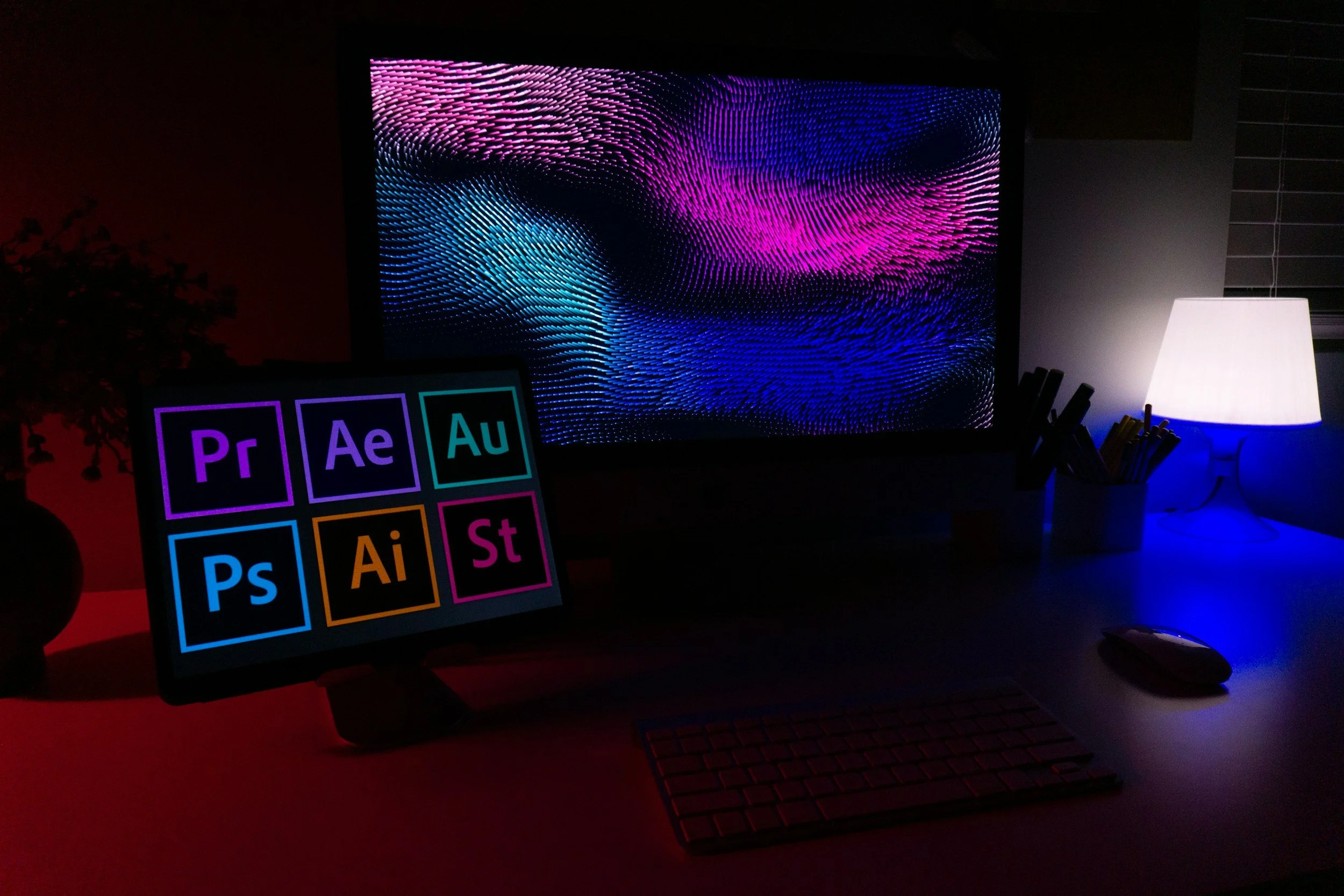
Taking the Bizarre Seriously: Dreams as a Material for Interaction Design
Most sleep technology focuses on optimizing sleep — tracking cycles, adjusting the bedroom environment — rather than what happens inside a dream. This project takes the opposite approach, treating dreams as design material. Researchers built the dream sticker machine, a device that turns a written dream into an AI-generated image, creating a physical object people can display, share, or reflect on; they then used it as a research probe to see how people imagine their dreams taking form in the real world (Designing Interactive Systems, 2024).

The stuff that nightmares are made of: Israeli dreams in times of the Israel-Hamas war
This qualitative study of 242 dreams collected after the Hamas terror attack of October 7, 2023, shows how national trauma and heightened mortality salience were mirrored in dream content.
Dreams, problem-solving, and resilience in Chinese young adults
In a survey of 233 young people in Hong Kong, researchers found that vivid or altered dreams (rich in sensory detail or unusual content) were positively linked with better problem-solving ability. However, frequent or intense dreaming was surprisingly associated with lower resilience, suggesting that the number or strength of dreams may need to be balanced for psychological well-being (International Journal of Dream Research, 2024).
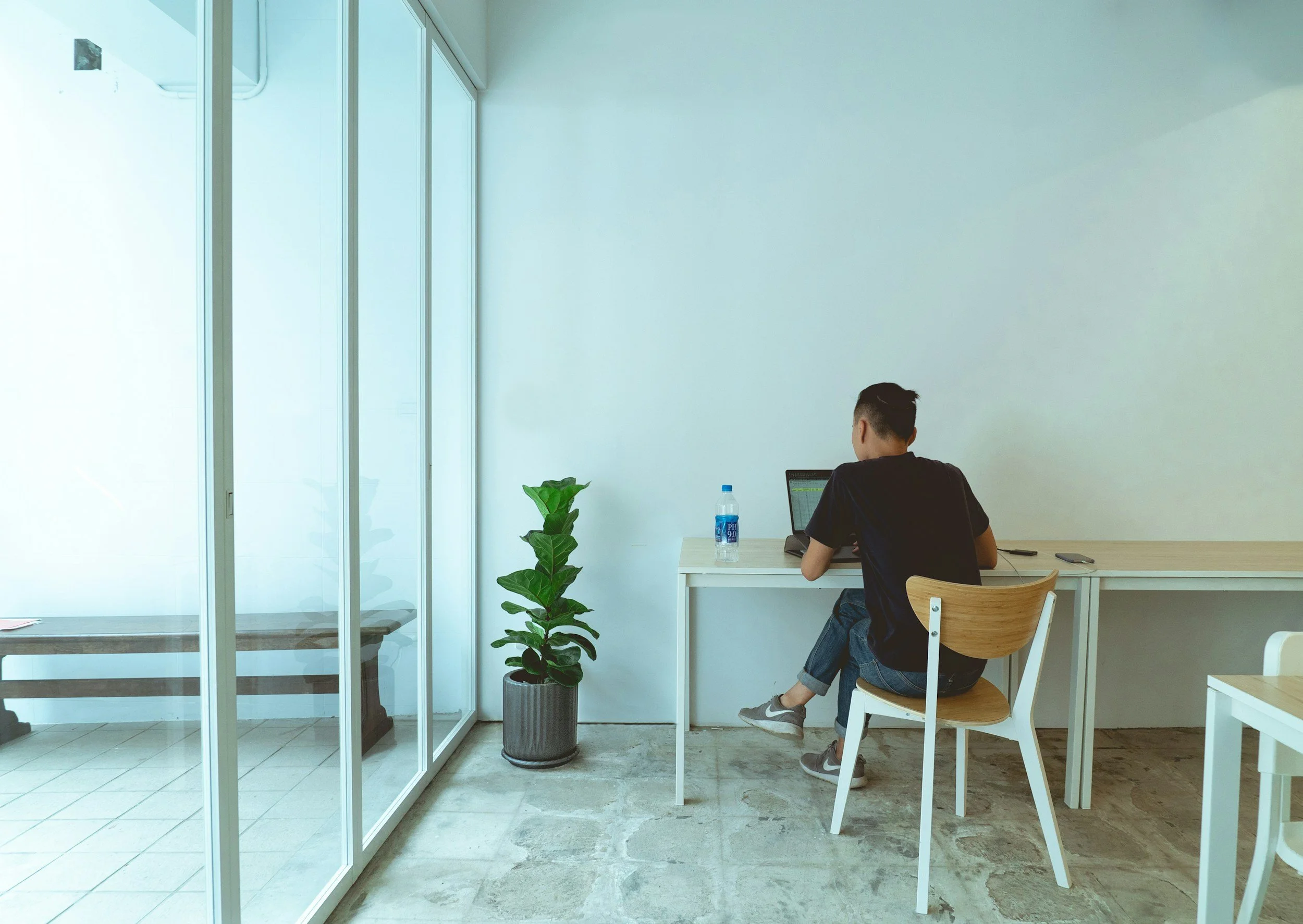
Correlation between attitudes toward dreams and workplace well-being
This survey of 340 Taiwanese employees found that attitudes toward dreams are closely linked with workplace well-being. In particular, seeing dreams as meaningful was strongly associated with higher well-being, while focusing on ‘understanding’ dreams showed a surprising negative relationship.

Lucid dream startup says people can work in their sleep
Prophetic’s Halo headband claims to induce lucid dreaming through non-invasive neurostimulation—letting wearers become aware in dreams and even use that dream-state for creative problem solving (The Independent, 2023).

2020 Dreams. Toward a New Understanding of the Dreaming-Waking Continuum
The year 2020 emerged as a pivotal moment in modern history, in many overlapping and mutually reinforced ways. This interactive digital project illuminates the dramatic and epochal events of that year as witnessed from the vantage of collective dreaming (Stanford University Press, 2023).
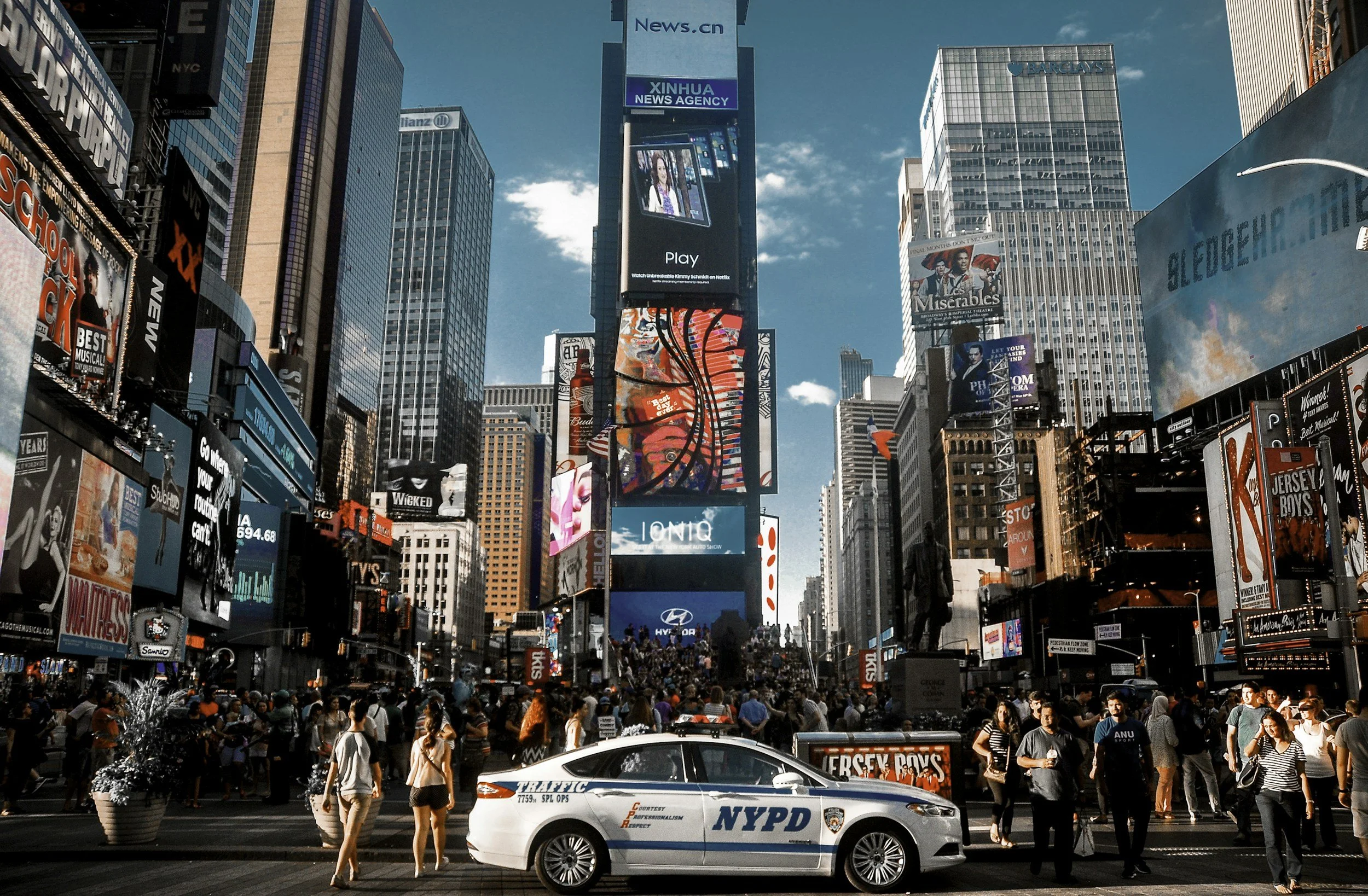
The Nightmare of Dream Advertising
This article examines the rise of ‘targeted dream incubation,’ where advertisers use sensory cues to insert commercial messages into people’s dreams—a practice 77% of surveyed companies plan to test by 2025. While researchers see therapeutic promise in dream incubation, its use for branding raises concerns over privacy, manipulation, and even potential violations of existing subliminal advertising laws (William & Mary Law Review, 2023).

Climate Change Dreams
A growing number of people are dreaming explicitly about climate change, reflecting both collective anxiety and emerging hope about environmental collapse. Surveys and dream reports show generational and demographic differences—young people, men, and people of color dream about climate change most often (Time, 2023).

Targeted dream incubation at sleep onset increases post-sleep creative performance
Scientists found that introducing a specific theme right as people fall asleep during the N1 sleep stage—what’s called targeted dream incubation—was shown to boost creativity in tasks related to the incubated theme. Compared to staying awake or dreaming without prompts, participants whose dreaming included those prompts performed better and made more novel, far-reaching associations (Scientific Reports, 2023).

Dreaming together: Artists mobilizing collective dreaming methods for the radical imagination
Dreams are framed as social experiences that, when shared, become tools for imagining alternatives to racial capitalism, gentrification, and settler colonialism. Artists who draw on collective dreaming practices use them to expand the radical imagination and to cultivate spaces of solidarity and resistance (Max Haiven, 2022).

Are advertisers going to infiltrate our dreams?
Makers of beers, video games, and fast food are experimenting with “targeted dream incubation,” trying to plant brand cues (sounds, visuals, scents) just as people drift off to sleep to influence what they dream. Though some scientists warn this approach could threaten privacy and mental autonomy, researchers say we’re not yet at the point where dream ads are widely effective or tightly controlled (The Hustle, 2022).

Dreams are a precious resource. Don’t let advertisers hack them.
New marketing techniques are emerging that use targeted stimuli before or during sleep to influence what we dream—and what we want when we wake. While these dream-engineering tools hold promise for healing, creativity, and personal growth, advertisers are eager to exploit them for commercial gain, raising serious ethical concerns about privacy and consent (Aeon, 2021)

Dream sharing and the enhancement of empathy: Theoretical and applied implication
Talking about someone’s dream using a structured discussion format leads people to feel more empathy for the dreamer—especially those who start off with lower levels of empathy. The increase doesn’t depend on how long the dreams or discussions are, and it seems sharing dreams has social benefits beyond their private emotional or memory-processing roles (Dreaming, 2021).

Pandemic Dreams
Pandemic Dreams draws on Dr. Barrett's survey of 9,000 dreams about the COVID-19 crisis. It describes how dreaming has reflected each aspect of the pandemic: fear of catching the virus, reactions to sheltering at home, work changes, homeschooling, and an individual's increased isolation or crowding (Oneiroi Press, 2020).

It’s in Dreams That Americans Are Making Sense of Trump
Thousands of dreams featuring Donald Trump reveal how Americans are processing fear, absurdity, and division through surreal night-time imagery. These dreams show less about Trump himself than about the nation’s attempt to make sense of a chaotic political reality (The New Yorker, 2020).